



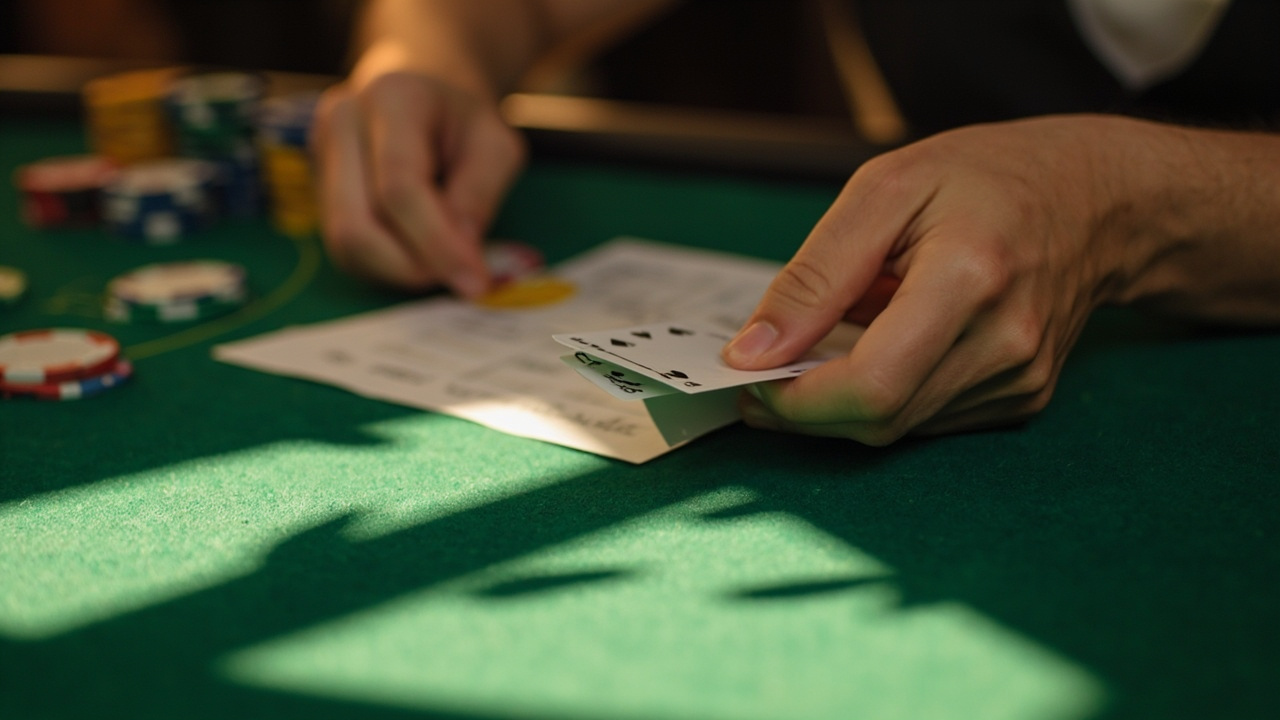
The late arvo sun slips behind the Harbour Bridge while a group gathers around a felt table, chips stacked and laughter carrying across the room. There’s a particular energy when the cards turn and everyone leans in together, a social rhythm that a solid live dealer blackjack party should capture without feeling like a gimmick. I’ve shipped wagering products where the lobby and the table experience had to talk to each other, and the clubs that get this right treat the party format as a proper game loop, not a novelty overlay. The best sessions keep the pace steady, the rules clear, and the social layer useful rather than noisy.
Live dealer blackjack party – lobby, catalog and how you find a seat the club house casino
A good lobby needs to surface the right tables fast, because a party format only works when discovery doesn’t interrupt the momentum. I’ve watched stakeholder groups argue over search versus browse until we settled on a hybrid: a clean category strip at the top, a smart search bar that accepts table name and stake range, and a live availability strip so you can see which tables actually have seats open. The catalog should lean on reputable live providers, mix in a few variant rules for players who want a different twist, and keep the standard blackjack tables visible alongside the party rooms so nobody feels locked into one mode. When I’ve reviewed delivery plans for table content, the recurring failure was a lobby that looked busy but hid the tables people actually wanted, so I’d rather see fewer well-tagged rooms than a cluttered list that makes you scroll for minutes.
• Party tables display player count, average seat time, and the current dealer pace so you can pick a room that matches your tempo.
• Standard blackjack tables sit in the same menu with clear rule tags, stake ranges, and provider labels so you can switch modes without losing your place.
• Search accepts table name, stake band, and provider, and the results stay sorted by availability first so open seats rise to the top.
The party layer itself needs to earn its place. I’ve seen product specs where the social features were tacked on after the core table build, and that usually shows up as chat that feels separate from the game, or animations that slow the hand down. A better call is to keep the table logic tight and let the party tools amplify it: a shared tip display, a simple seat map, and a way to ping your group without breaking the dealer’s rhythm. For players in Sydney who want a session that feels like a proper night out, the lobby should make that easy to find, with clear tags for party rooms, standard tables, and any side bets that actually fit the format. If you’re weighing where to start, the club house casino keeps the party rooms visible alongside the regular tables, which is the kind of layout that helps a group settle in without hunting through menus.
How a live dealer blackjack party fits different player habits
Not everyone comes to a party table for the same reason, and the format has to hold up for a few different play styles without bending the rules. Some players want a social session where the chat and the shared pace matter as much as the hands, and for them the value is in a room that stays lively without turning chaotic. Others are there for the game itself and just like the feeling of playing alongside a group, so the table logic needs to stay clean and the side features optional. I’ve made delivery calls where we deliberately kept the party tools lightweight because the data showed that players who wanted conversation used them, and players who wanted quiet play simply muted the noise without losing access to the table. That split matters, because a party format that tries to force one vibe onto everyone usually ends up frustrating both camps.
Ava Wilson, Customer Experience Lead, Southern Star Esports, put it plainly: “A party table only feels right when the social layer never gets in front of the deal, because players will forgive a lively room but they won’t forgive a slow hand.” That’s the kind of caveat worth building around. For a group that wants a proper session, the best fit is a room with a steady dealer pace, clear table rules, and enough visibility into what’s happening at adjacent seats that you can follow the flow without leaning too hard on chat. For a solo player who just likes the atmosphere, the same room should still work, with the party features there if wanted and out of the way if not. The trick is to design for both without making either feel like an afterthought.
The practical side of a live dealer blackjack party session
The practical details are where a party format either feels polished or starts to grate, and that’s mostly about stakes, payments, and how the session actually ends. A sensible setup keeps the stake bands clear, shows the currency up front, and makes the entry point obvious so a group can pick a table that matches the mood without fumbling through options. I’ve sat in on product reviews where the payment flow was treated as a backend detail and the front end paid for it, so I’m always wary of any setup that hides the basics behind extra clicks. A clean registration flow, a mobile view that doesn’t squash the table, and support that can actually answer a question mid-session are the boring things that make a party night run smoothly.
For a Sydney group booking a night in, the practical win is simplicity: pick a table, confirm the stake range, and get into the seat without a maze of pop-ups. The party tools should help the group coordinate, not complicate it, and the table itself should keep the same rules and pace you’d expect from a proper blackjack session. If the format is doing its job, the social layer feels like a bonus and the game stays the main event, which is the only way a live dealer blackjack party holds up over more than one session.